


Kratom + Kava Shots
DISCLAIMER:
Product color may vary. This product is not intended for vaporization or inhalation. These statements have not been evaluated by the Food and Drug Administration. This product is intended for adults 21 and over. This product is not intended to diagnose, treat or cure any disease. This product should be used only as directed on the label. This product contains both kratom leaf extract and kava root extract which, like caffeine and alcohol, may be habit-forming and harmful if consumed irresponsibly. Avoid if you have a history of substance abuse. May interact with certain medications - consult a licensed, qualified healthcare professional before use. Do not consume with alcohol. Rare cases of serious liver injury have been reported with kava-containing products. This product is not intended for those who are sensitive to the active ingredients or women who are pregnant, nursing, or trying to become pregnant. By using this site, you agree to follow the Privacy Policy and Terms & Conditions printed on this site.
DISCLAIMER: Product color may vary. This product is not intended for vaporization or inhalation. These statements have not been evaluated by the Food and Drug Administration. This product is intended for adults 21 and over. This product is not intended to diagnose, treat or cure any disease. This product should be used only as directed on the label. This product contains both kratom leaf extract and kava root extract which, like caffeine and alcohol, may be habit-forming and harmful if consumed irresponsibly. Avoid if you have a history of substance abuse. May interact with certain medications - consult a licensed, qualified healthcare professional before use. Do not consume with alcohol. Rare cases of serious liver injury have been reported with kava-containing products. This product is not intended for those who are sensitive to the active ingredients or women who are pregnant, nursing, or trying to become pregnant. By using this site, you agree to follow the Privacy Policy and Terms & Conditions printed on this site.


The Reviews


Kratom
About Kratom
Kratom is the common name for the leaves of Mitragyna speciosa, a tropical evergreen tree in the coffee family (Rubiaceae). Native to Southeast Asia (Thailand, Indonesia, Malaysia, and nearby regions), it has been used traditionally for centuries by local communities, who chewed the fresh leaves or brewed them as tea for cultural and social practices. Western scientists documented the plant in the 19th–20th centuries, leading to its gradual spread beyond its native range.
Kava
About Kava
Kava root refers to the roots (and sometimes stumps) of Piper methysticum, a shrub in the pepper family (Piperaceae). Native to the South Pacific islands (including Vanuatu, Fiji, Tonga, and Hawaii), kava has been cultivated and used traditionally for centuries in Pacific Island cultures, where the roots are ground or pounded and mixed with water to prepare ceremonial and social beverages. European explorers and botanists, notably Georg Forster during Captain Cook’s voyages in the 1770s, first documented and scientifically described the plant in the late 18th century, introducing it to Western science.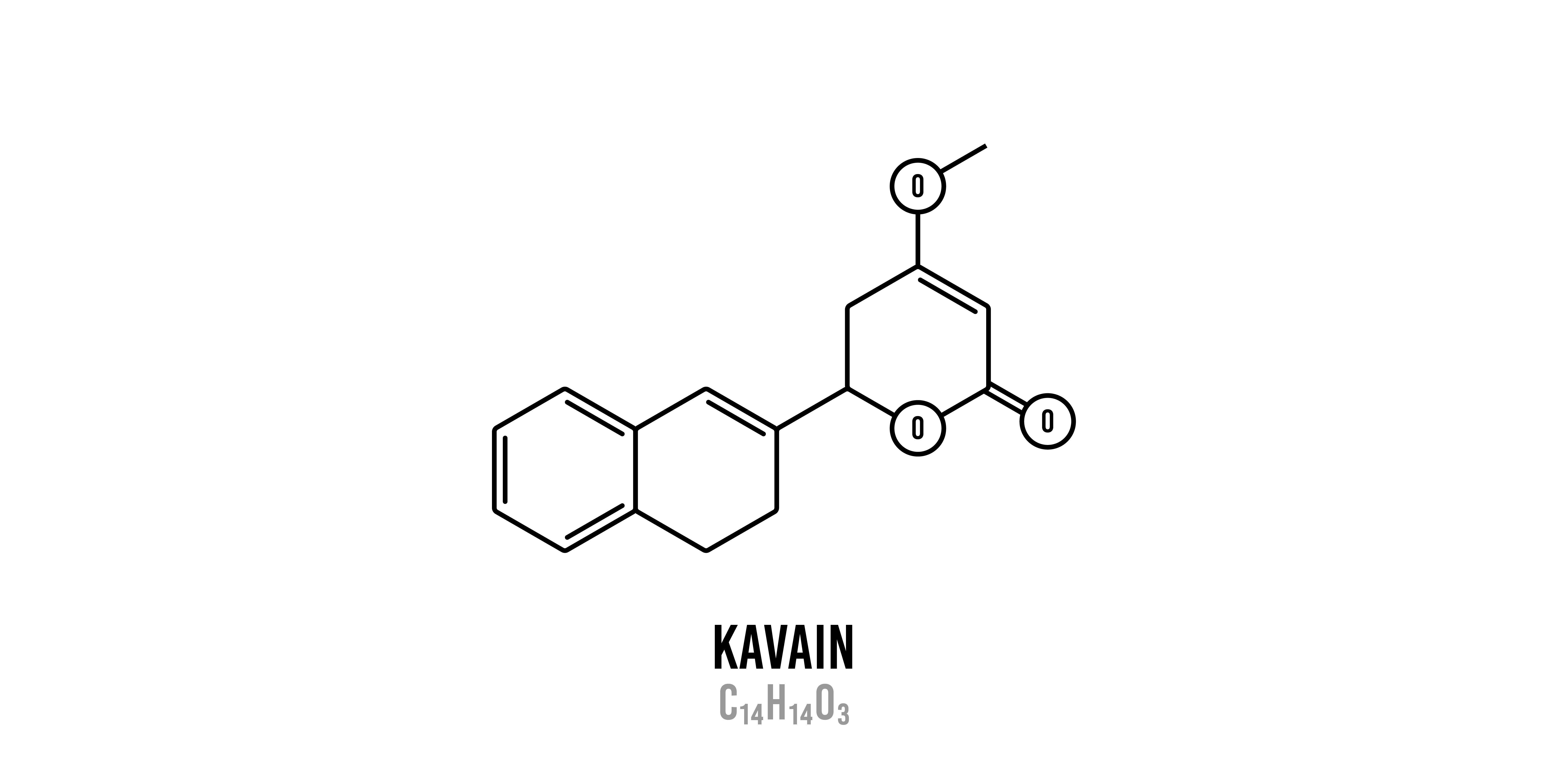
Product Reviews
More About Kratom + Kava Shots
Kratom + Kava Shots by Kratom River — 4 formulas; 25mg Kratom + 250mg Kava / 6 Shots or 50mg Kratom + 500mg Kava / 6 Shots. From $30.00. Every batch is third-party lab tested; certificates of analysis are published on this page.
Lab Results & Certificates of Analysis
Every batch of Kratom + Kava Shots is tested by an independent third-party laboratory before it ships. Each certificate of analysis (COA) covers the batch it names, reporting the alkaloid profile alongside contaminant screening.
Find the batch ID printed on your package and match it in the Product Documentation panel above, which lists every published report for the option you have selected. Reports for earlier batches stay published, so a COA does not disappear when the batch sells through. 8 reports across 8 variants are available for this product, and all of them are listed in the COA library.